
A device called a router connects a network to the internet. Acting as a gateway, the router manages data traffic between your local devices and the wider web, making sure information flows smoothly and securely. Whether you’re working from home, gaming online, or streaming videos, the router plays a key role in every online activity. Understanding how this device works can help you set up a faster, more reliable connection for all your internet needs.
What Device Connects a Network to the Internet: A Detailed Explanation
Understanding How Networks Access the Internet
Every modern network, whether at home or in the workplace, relies on a central device to establish communication with the broader internet. This device acts as a bridge between your local devices and the global web, making online activities possible. Knowing what device connects a network to the internet helps you set up, secure, and troubleshoot your connection effectively.
The Key Device: The Network Router
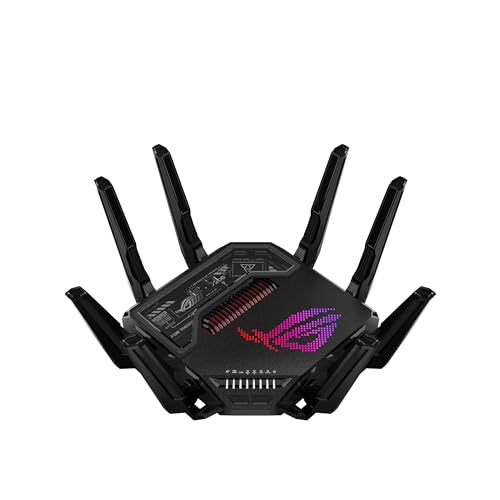
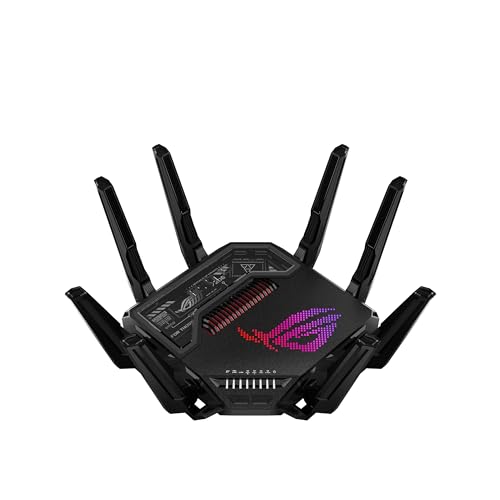
The network router is the primary device that connects a local network to the internet. It manages data traffic between your local devices—such as computers, smartphones, and printers—and the internet through your internet service provider (ISP). Routers direct incoming and outgoing data packets, ensuring the right information reaches the correct device.
How Routers Function in Internet Connectivity
- Address Assignment: Routers assign local IP addresses to devices on the network using DHCP (Dynamic Host Configuration Protocol), ensuring each device can communicate without conflicts.
- Traffic Management: They manage the flow of data, sending requests from local devices to the internet and directing responses back to the appropriate device.
- Network Address Translation (NAT): Routers use NAT to translate private local IP addresses to a public IP address for internet communication, protecting internal devices from direct exposure.
- Firewall Protection: Most modern routers include built-in firewalls, blocking unwanted or unsafe data packets from entering the local network.
Types of Routers Used to Connect Networks
- Home Routers: Compact, user-friendly devices designed for residential use. They support wireless and wired connections, often combining routing, switching, and Wi-Fi access in one box.
- Enterprise Routers: High-performance routers used by businesses. They handle heavy data loads, support advanced security features, and offer more configuration options for complex networks.
- Edge Routers: Installed at the boundary of a network, these routers connect the internal network to external networks or the internet, handling large volumes of data and advanced routing protocols.
- Core Routers: Found within large organizations or internet service providers, core routers move data within the backbone of the network rather than directly connecting to the internet.
Supporting Devices That Work with Routers
While the router serves as the main device that connects a network to the internet, several other devices often play crucial roles in the connectivity process. Understanding these devices helps you see the complete picture of how networks achieve internet access.
Modems: The Gateway to the ISP
A modem (modulator-demodulator) interfaces between your local router and the ISP’s infrastructure. The modem translates digital data from your network into signals suitable for transmission over your ISP’s medium—such as cable, DSL, or fiber optic lines.
- Cable Modems: Used for cable internet connections, converting digital data to signals compatible with coaxial cables.
- DSL Modems: Designed for DSL connections, translating data for transmission over standard telephone lines.
- Fiber Optic Modems (ONTs): Optical Network Terminals (ONTs) convert fiber optic signals into digital data for your router.
In many home setups, the router and modem may be combined in one device, simplifying installation. In larger or more advanced networks, they often remain separate for flexibility and performance.
Switches and Access Points: Expanding Local Connectivity
- Network Switches: Switches connect multiple wired devices within the network, expanding the number of available Ethernet ports. They do not connect directly to the internet but facilitate communication between local devices and the router.
- Wireless Access Points: Access points provide Wi-Fi coverage, enabling wireless devices to join the local network and access the internet via the router.
While switches and access points enhance connectivity within the local network, they rely on the router to reach the internet.
Step-by-Step: How a Network Connects to the Internet
- Device Request: A device, such as a laptop or smartphone, sends a data request (e.g., to load a website).
- Router Processing: The router receives the request, assigns local addressing if necessary, and determines the path for the data.
- Modem Translation: The router forwards the data to the modem, which converts digital signals into a format suitable for transmission over the ISP’s infrastructure.
- ISP Handling: The ISP routes the request to the internet, communicating with destination servers across the globe.
- Response Delivery: The process reverses as information travels back to your modem, router, and finally, your requesting device.
Router Features That Enhance Internet Connectivity
Modern routers offer features that optimize your network’s performance and security. These features go beyond basic connectivity, ensuring reliable and safe internet access for all users on the network.
- Dual-Band and Tri-Band Wi-Fi: Routers with multiple frequency bands reduce congestion and improve wireless speeds for demanding applications like streaming and gaming.
- Quality of Service (QoS): QoS settings prioritize traffic for certain devices or applications, ensuring smooth performance for critical tasks.
- Parental Controls: Some routers allow administrators to restrict access to specific websites or limit internet usage by device.
- Guest Networks: Guest networks offer separate Wi-Fi access for visitors, isolating their traffic from your main devices for enhanced security.
- VPN Support: Routers with VPN support encrypt outbound traffic, enhancing privacy and enabling secure remote access.
Wired vs. Wireless Connections to the Router
Users can connect to the network router via wired Ethernet cables or wirelessly using Wi-Fi. Both methods have advantages and considerations when accessing the internet.
- Wired Connections: Ethernet cables provide stable, high-speed connections with low latency, ideal for desktop PCs, gaming consoles, or media servers.
- Wireless Connections: Wi-Fi offers flexibility and mobility, supporting smartphones, tablets, and laptops throughout your home or office. However, wireless performance can be affected by distance, obstacles, and interference.
Security Considerations for Devices That Connect Networks to the Internet
Securing the device that connects your network to the internet protects your data and prevents unauthorized access. Taking proactive steps ensures your network remains safe from online threats.
- Change Default Passwords: Update the default administrator credentials on your router and modem to strong, unique passwords.
- Enable Encryption: Use WPA3 or WPA2 encryption for Wi-Fi connections to prevent unauthorized access.
- Update Firmware: Regularly check for and install firmware updates for your router and modem to patch security vulnerabilities.
- Disable Remote Management: Unless necessary, turn off remote management features to reduce exposure to external threats.
- Monitor Connected Devices: Regularly review devices connected to your network and disconnect any unfamiliar or unauthorized devices.
Choosing the Right Router for Your Network
Selecting the ideal router depends on your specific needs, the size of your space, and the number of devices you plan to connect. Here are some factors to consider:
- Speed Requirements: Ensure the router supports your ISP’s maximum speeds and has the bandwidth necessary for your household or office usage.
- Wi-Fi Coverage: Larger spaces may need routers with stronger antennas or support for mesh networking to eliminate dead zones.
- Number of Devices: Choose a router with enough capacity and advanced features like MU-MIMO (Multi-User, Multiple-Input, Multiple-Output) to handle simultaneous device connections.
- Security Features: Look for routers with strong firewall protection, regular firmware updates, and built-in security features.
- Advanced Management: Some users benefit from routers with advanced customization options, app-based management, and compatibility with smart home devices.
Common Network Topologies and Internet Connectivity
The way devices connect within a network affects how efficiently data moves and how easily users access the internet. Here are common network topologies and their impact on internet connections:
- Star Topology: All devices connect to a central router or switch, simplifying management and troubleshooting. The router remains the sole gateway to the internet.
- Mesh Topology: Multiple routers or access points work together, providing seamless coverage. One or more devices connect to the internet, while others relay data within the network.
- Bus Topology: Devices share a single communication line, with the router placed at one end to connect to the internet. This setup is less common in modern networks.
Specialized Devices for Internet Connectivity
Some networks use specialized devices to connect to the internet, depending on their requirements or the available infrastructure.
- Cellular Gateways: These devices use 4G LTE or 5G mobile networks to provide internet access, acting as routers for remote or mobile setups.
- Satellite Modems: For locations without wired internet, satellite modems connect networks to the internet via satellite links.
- VPN Gateways: Businesses often use VPN gateways to establish secure connections between remote users and corporate networks, with internet access passing through encrypted tunnels.
Diagnosing Internet Connection Issues with the Router
When the device that connects your network to the internet encounters problems, users may experience slow speeds, dropped connections, or complete outages. Here are steps to diagnose and resolve common issues:
- Check Physical Connections: Ensure all cables between the modem, router, and ISP outlet are secure and undamaged.
- Restart Devices: Power cycle the modem and router to refresh connections and clear temporary glitches.
- Review Indicator Lights: Most routers and modems have indicator LEDs that show connection status; consult the manual for troubleshooting guidance.
- Update Firmware: Outdated firmware can cause performance and security issues; check for updates through the router’s management interface.
- Contact Your ISP: If problems persist, your ISP may need to check for outages or configuration errors on their end.
Summary Table: Devices That Connect Networks to the Internet
| Device | Function | Role in Internet Connectivity |
|---|---|---|
| Router | Directs traffic between local network and the internet | Main device connecting the network to the internet |
| Modem | Translates data between local network and ISP | Acts as a bridge between router and ISP’s infrastructure |
| Switch | Connects multiple devices within a local network | Does not connect directly to the internet |
| Access Point | Provides wireless access to the network | Facilitates wireless connections to the router |
| Cellular Gateway | Uses mobile networks for internet access | Enables internet in remote or mobile situations |
| Satellite Modem | Connects to the internet via satellite | Provides internet where wired connections are unavailable |
Key Takeaways on What Device Connects a Network to the Internet
- The router is the central device that connects a network to the internet, managing data flow and security.
- Modems work alongside routers, translating data for the ISP’s infrastructure.
- Switches and access points expand local connectivity but rely on the router for internet access.
- Specialized devices, such as cellular gateways and satellite modems, meet unique connectivity needs.
- Proper setup and security of your router ensure safe and reliable internet for all devices on your network.
“`
Computer Basics: Connecting to the Internet
Frequently Asked Questions
What device connects a network to the Internet?
A router connects a local network to the Internet by directing data between your devices and your Internet service provider.
How does a router work in a network?
A router manages traffic between your local devices and the Internet. It assigns local IP addresses and forwards data to its destination.
Is a modem the same as a router?
No, a modem connects your network to your Internet service provider, while a router distributes that connection to multiple devices.
Can I connect to the Internet without a router?
Yes, you can connect a single device directly to a modem, but a router is necessary if you want to connect multiple devices.
Do I need both a modem and a router for home Internet?
Most homes need both. The modem handles communication with your Internet provider, and the router shares that connection with all your devices.
What is a wireless router?
A wireless router connects to your modem and provides Wi-Fi so devices can connect to the Internet wirelessly.
How do I know if my router is working properly?
Check the indicator lights on your router, ensure your devices can access the Internet, and use speed tests to verify connection quality.
Final Thoughts
To sum up, the device that connects a network to the internet is typically a modem or a router, often working together. The modem links your network to your internet service provider, while the router distributes the connection to multiple devices. Knowing what device connects a network to the internet helps you troubleshoot issues and optimize your setup for reliable online access.


Leave a Reply
You must be logged in to post a comment.