

WiFi routers connect your devices to the internet wirelessly, making it easy to browse, stream, and work without cables. These devices send data between your gadgets and your internet service, ensuring you stay online throughout your home or office. By managing network traffic and creating a secure wireless connection, WiFi routers keep your online experience smooth and reliable.
What Are WiFi Routers Used For and How Do They Work?
Understanding the Purpose of WiFi Routers
WiFi routers play a crucial role in both home and business networks. Their main purpose is to connect multiple devices, such as laptops, smartphones, tablets, smart TVs, and gaming consoles, to the internet wirelessly. They serve as the central hub that manages data traffic between your devices and the outside world. Without a WiFi router, sharing a single internet connection among several devices would be challenging and inefficient.
WiFi routers also provide local networking, allowing devices within the same network to communicate with each other. For example, you can print wirelessly to a network printer, stream media from a central server, or transfer files between computers without the need for cables.
Primary Uses of WiFi Routers
- Internet Access: WiFi routers distribute internet connectivity throughout a home or office, eliminating the need for physical connections to each device.
- Data Sharing: Devices connected to the same WiFi network can easily share files, printers, and other resources.
- Smart Home Integration: Routers connect various smart home devices, such as security cameras, lights, and thermostats, enabling centralized control and automation.
- Media Streaming: Routers facilitate seamless streaming of audio and video content from the internet or local servers to compatible devices.
- Online Gaming: Stable and fast WiFi connections are essential for multiplayer gaming, reducing lag and ensuring smooth gameplay.
- Guest Networking: Many routers offer guest network features, allowing visitors to access the internet without compromising the main network’s security.
- Parental Controls: Routers can manage and restrict web access for specific devices, helping parents oversee their children’s online activities.
How WiFi Routers Work: A Technical Overview
WiFi routers act as intermediaries between your local network and the internet. They receive data from your Internet Service Provider (ISP), process it, and then transmit it wirelessly to connected devices. Here’s a breakdown of their core functions and processes:
1. Receiving Internet Data
A typical home router connects to a modem via an Ethernet cable. The modem receives internet signals from your ISP—either through a coaxial cable, fiber optic line, or DSL. The router then takes this signal and prepares it for wireless distribution.
2. Creating a Wireless Network (WiFi)
The router broadcasts a wireless signal, known as a WiFi network, using built-in antennas. Devices within range detect this signal and can connect using the network credentials (SSID and password). This allows multiple devices to access the internet simultaneously without wires.
3. Assigning Local IP Addresses
Routers use a process called Dynamic Host Configuration Protocol (DHCP) to assign a unique local IP address to each connected device. This ensures that data sent within the network reaches the correct destination, whether it’s a computer, smartphone, or smart appliance.
4. Routing Data Packets
Every time you send a request—such as loading a web page or streaming a video—the router determines where to direct the data. It uses Network Address Translation (NAT) to manage the flow of information between the local network and the wider internet, ensuring privacy and security.
5. Managing Network Security
Routers offer several layers of security to protect against unauthorized access. Common security features include WiFi Protected Access (WPA2/WPA3), firewalls, and the ability to hide your network’s SSID. Advanced routers may also offer intrusion detection and regular firmware updates to address vulnerabilities.
Wireless Standards and Frequencies
WiFi routers operate on specific wireless standards and frequencies, which influence their speed, coverage, and compatibility with devices.
WiFi Standards
- 802.11b/g: Older standards that offer moderate speeds and shorter range. Suitable for basic web browsing and email.
- 802.11n: Supports higher speeds and better range, making it suitable for HD streaming and gaming.
- 802.11ac (WiFi 5): Provides faster speeds and improved performance, especially in crowded environments.
- 802.11ax (WiFi 6): The latest standard, offering increased capacity, efficiency, and security for modern smart homes and offices.
Frequency Bands
- 2.4 GHz: Offers broader coverage but lower speeds. More susceptible to interference from other household devices like microwaves or cordless phones.
- 5 GHz: Provides faster speeds and less interference, but with a shorter range compared to 2.4 GHz.
- Dual-Band and Tri-Band Routers: These routers broadcast on multiple frequencies simultaneously, improving overall performance and reducing congestion.
Key Components of a WiFi Router
To understand how WiFi routers work, it helps to know about their main components:
- CPU (Processor): Handles all data processing, routing decisions, and management functions.
- RAM and Flash Memory: Store the router’s firmware, configuration settings, and temporary data.
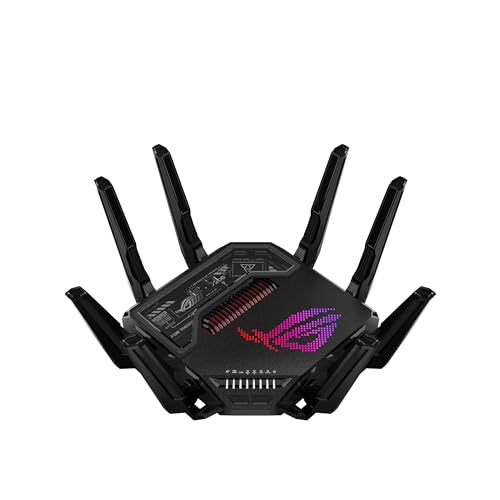
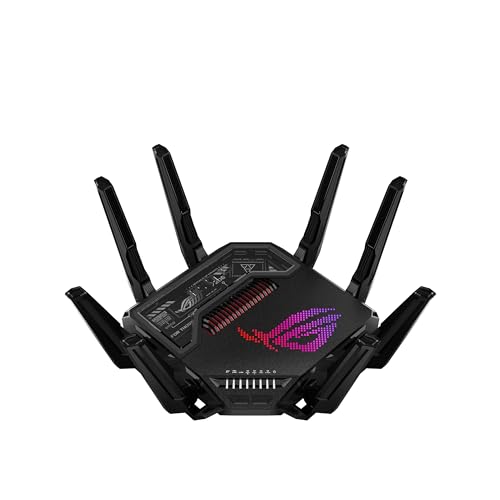
- Antennas: Transmit and receive wireless signals. Some routers have external, adjustable antennas, while others use internal designs.
- Ethernet Ports: Allow wired connections to devices such as desktop computers, gaming consoles, or printers.
- WAN Port: Connects the router to the modem and, by extension, to the internet.
- Power Supply: Provides energy for the router to function.
Types of WiFi Routers and Their Uses
Different environments require different types of routers. Here are the most common categories:
Home WiFi Routers
Designed for typical households, these routers offer user-friendly interfaces, parental controls, and sufficient coverage for apartments or small homes. Many support dual-band or tri-band operation to handle multiple devices efficiently.
Mesh WiFi Systems
Mesh WiFi systems consist of a main router and several satellite nodes placed throughout the home. They work together to eliminate dead zones and ensure seamless connectivity in larger spaces or multi-story buildings.
Business Routers
Routers for business environments come with advanced features like Virtual Private Network (VPN) support, multiple SSIDs, VLAN management, and higher security. They are designed to support a larger number of simultaneous connections and higher data throughput.
Travel Routers
Compact and portable, travel routers allow users to create a private WiFi network while on the go. They are ideal for hotel rooms or shared workspaces where a secure, personal connection is needed.
Advanced Features in Modern WiFi Routers
As network needs have evolved, manufacturers have added new features to WiFi routers to improve performance, security, and ease of use:
- Quality of Service (QoS): Prioritizes bandwidth for specific devices or applications, reducing lag for gaming or video calls.
- MU-MIMO Technology: Allows the router to communicate with multiple devices simultaneously, enhancing overall speed and efficiency.
- Beamforming: Focuses wireless signals directly toward connected devices rather than broadcasting in all directions, improving signal strength and range.
- Parental Controls: Enables parents to set internet access schedules, block inappropriate content, and monitor online activity.
- App-Based Management: Many routers now offer mobile apps for easy setup, monitoring, and troubleshooting from smartphones or tablets.
- Guest Networks: Provides a separate network for visitors, keeping the main network secure.
- Automatic Firmware Updates: Ensures the router receives the latest security patches and performance improvements.
WiFi Routers and Smart Home Connectivity
Smart homes rely on a strong, reliable WiFi network. Routers serve as the foundation for connecting and controlling smart devices such as lights, thermostats, security cameras, door locks, and voice assistants. Many modern routers offer enhanced compatibility with smart home ecosystems, supporting standards like Zigbee or Z-Wave alongside traditional WiFi.
A well-configured router ensures that smart devices receive consistent connectivity, reducing latency and improving response times. Advanced routers can segment smart home devices onto their own virtual network, enhancing security and performance.
WiFi Router Placement and Network Optimization
The placement of a WiFi router significantly affects network performance. To maximize coverage and minimize interference, place the router in a central, elevated location away from thick walls, metal objects, and electronic devices that can cause interference.
- Keep the router away from microwaves, cordless phones, and Bluetooth devices.
- Angle external antennas (if present) for optimal coverage; generally, position one vertically and one horizontally.
- In larger homes or offices, consider mesh systems or WiFi extenders to fill coverage gaps.
- Regularly update the router’s firmware for security and performance improvements.
Security Best Practices for WiFi Routers
Proper security settings are essential to protect your network from unauthorized access, malware, and data breaches. Here are key steps to secure a WiFi router:
- Change the default administrator username and password immediately after setup.
- Enable WPA3 (or at minimum, WPA2) encryption for wireless connections.
- Disable WPS (WiFi Protected Setup), which can be vulnerable to attacks.
- Regularly update firmware to patch security vulnerabilities.
- Create a separate guest network for visitors and IoT devices.
- Monitor connected devices and remove unknown or suspicious entries.
Common Issues and Troubleshooting Tips
Users may occasionally experience WiFi connectivity issues, such as slow speeds, dropped connections, or devices failing to connect. Basic troubleshooting steps include:
- Restart the router and modem to refresh the connection.
- Check for firmware updates and install the latest version.
- Change the WiFi channel to avoid interference from neighboring networks.
- Move the router to a more central location for better coverage.
- Reset the router to factory settings if persistent issues occur, then reconfigure the network.
The Role of WiFi Routers in Modern Networking
WiFi routers have become indispensable in daily life. They support remote work, virtual learning, entertainment, healthcare, and smart technologies. Whether in homes, schools, offices, or public spaces, routers ensure that countless devices remain connected and functional.
As technology advances, WiFi routers continue to evolve, offering greater speeds, improved coverage, and enhanced security. Their central role in networking makes understanding their functions and proper management essential for anyone who relies on a wireless internet connection.
“`
What Is a Router? | Internet Setup
Frequently Asked Questions
What is a WiFi router?
A WiFi router is a device that connects to your internet source and broadcasts a wireless signal, allowing multiple devices to access the internet without physical cables.
How does a WiFi router work?
A WiFi router receives internet data from your modem and transmits it as wireless signals. Devices like phones, laptops, and tablets connect to these signals to access the internet.
Why do I need a WiFi router at home?
You need a WiFi router at home to share your internet connection wirelessly with several devices, making it possible to browse, stream, and work anywhere within its range.
Can I use one WiFi router for multiple devices?
Yes, one WiFi router can handle connections for many devices at the same time, including smartphones, computers, smart TVs, and other smart home gadgets.
What affects the range of a WiFi router?
Walls, furniture, and electronic interference can reduce the signal strength and range of a WiFi router. The router’s placement and type also play a significant role.
How do I secure my WiFi router?
You can secure your WiFi router by setting a strong password, enabling network encryption (like WPA2 or WPA3), and regularly updating the router’s firmware.
What is the difference between a modem and a WiFi router?
A modem connects directly to your internet service provider and brings internet into your home, while a WiFi router distributes that connection wirelessly to your devices.
Final Thoughts
WiFi routers connect your devices to the internet and enable wireless communication within your home or office. Understanding what WiFi routers are used for helps you see their role in managing data traffic and providing secure, reliable access to online resources. By converting your internet connection into a wireless signal, these devices keep your smartphones, laptops, and smart gadgets online seamlessly.


Leave a Reply
You must be logged in to post a comment.