

Breathe New Life into Your Old Router: Use It as a Wireless Adapter!
Got an old router gathering dust? Don’t toss it! You can repurpose that trusty device and transform it into a powerful wireless adapter, extending your Wi-Fi network’s reach or providing wireless connectivity to devices without built-in Wi-Fi. This guide will show you how, step-by-step.
Why Use an Old Router as a Wireless Adapter?
Several reasons make this a smart move:
- Extend your Wi-Fi range: Reach those dead zones in your home or office.
- Add wireless capabilities to wired-only devices: Give your older gaming console, smart TV, or printer wireless access.
- Create a guest network: Offer secure wireless access to visitors without compromising your main network’s security.
- Cost-effective solution: Avoid the expense of buying a new wireless adapter.
Before You Begin: Essential Preparations
Before diving in, ensure you have the following:
- Your old router: Make sure it’s in working condition.
- An Ethernet cable: To connect your old router to your main router or modem.
- Knowledge of your main router’s IP address and network settings: This is crucial for configuring the old router.
- A device (computer, smartphone, tablet) with internet access: For configuring your old router.
Step-by-Step Guide to Turning Your Old Router into a Wireless Adapter
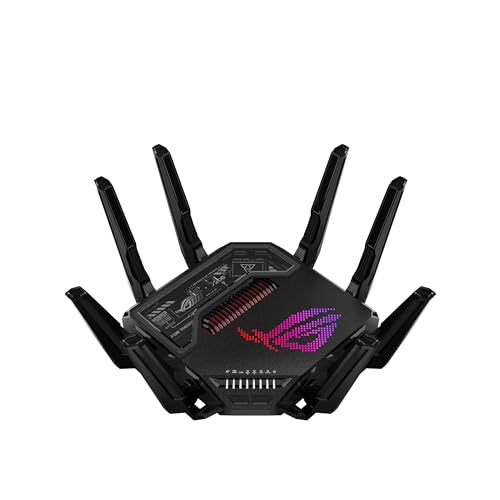
Recommended Product:
There are two primary methods for achieving this: Access Point mode and Bridge mode. Access Point mode is generally simpler for beginners.
Method 1: Access Point Mode (Simpler Method)
- Connect your old router to your main router: Use an Ethernet cable to connect a LAN port on your old router to a LAN port on your main router. Do not connect it to your modem directly unless you are creating a completely separate network.
- Power on both routers: Ensure both are fully powered and have stable connections.
- Access your old router’s settings: Find its IP address (usually 192.168.1.1 or 192.168.0.1, but check your router’s documentation). Open a web browser and enter the IP address in the address bar. Log in using your router’s username and password (default credentials are often found on a sticker on the router itself).
- Configure your old router as an Access Point: The exact menu options will vary depending on your router’s manufacturer, but look for settings related to “Access Point Mode,” “Wireless Bridge,” “Repeater Mode,” or similar. Enable this mode.
- Configure the SSID and password: This is the name of your new wireless network and its password. Choose a strong and unique password to secure your network. It’s crucial to choose a different SSID from your main network.
- Save your settings: Save the changes you’ve made and restart your old router.
Method 2: Bridge Mode (Advanced Method)
Bridge mode offers better performance and security in some cases, but requires a more technical understanding of network configurations. It essentially creates a seamless extension of your existing network. The exact steps depend heavily on your router’s firmware and capabilities. Consult your router’s manual for specific instructions on setting up bridge mode.
Troubleshooting Tips
- No internet connection: Double-check all cable connections and ensure both routers are powered on. Verify the IP address and network settings.
- Weak signal: Relocate your old router closer to the area needing Wi-Fi coverage.
- Connection drops: Check for interference from other devices. Try changing the Wi-Fi channel on your old router.
- Cannot access the router’s settings: Consult your router’s manual or search online for instructions specific to your model.
Common Mistakes to Avoid
- Connecting the old router directly to the modem: This creates a separate network and won’t extend your existing Wi-Fi.
- Using the same SSID and password as your main network: This creates confusion and potential security risks.
- Ignoring security settings: Always use a strong password for your new wireless network.
- Not checking for firmware updates: Outdated firmware can lead to instability and security vulnerabilities.
Conclusion
Repurposing your old router as a wireless adapter is a simple, cost-effective way to improve your home network. By following these steps and avoiding common pitfalls, you can easily extend your Wi-Fi reach or add wireless connectivity to your devices. Remember to consult your router’s manual for specific instructions tailored to your device. Happy networking!
FAQ
Q. Can I really use my old router as a wireless adapter?
A. Yes, you can, but it depends on your old router’s capabilities and your needs. Most routers can operate in “bridge mode” or a similar setting, which allows them to connect to another router’s Wi-Fi and share the connection via Ethernet. This effectively makes your old router a wired-only extender, not a true wireless adapter that connects directly to a computer via Wi-Fi.
Q. What type of old router works best for this?
A. A router with Ethernet ports is essential, as you’ll need a cable to connect it to your computer or other device. The router’s age is less important than its functionality. However, a newer router with a modern firmware is preferable for stability and potential compatibility with current network standards.
Q. How do I set up my old router as a wireless adapter (or extender)?
A. The process involves disabling the DHCP server and Wi-Fi functionality on your old router, then connecting it to your main router via Ethernet. The exact steps vary based on the router’s make and model; consult your router’s manual or search online for instructions specific to your router model. Generally, you’ll find settings like “Bridge Mode,” “Access Point Mode,” or “Repeater Mode.”
Q. Will this improve my Wi-Fi signal?
A. Using your old router as a wired extender might improve your Wi-Fi signal in certain areas by extending the reach of your main router’s network. However, it won’t inherently boost the signal strength; it simply acts as a relay. You might experience slightly reduced speeds due to the additional hop. To significantly improve your Wi-Fi signal, consider a proper Wi-Fi extender or mesh network system.
Q. What are the limitations of using an old router as a wireless adapter?
A. The biggest limitation is that your device will need to be connected to your old router via an Ethernet cable. You will not get a direct wireless connection to your old router. It also adds another device to your network, increasing the complexity and potential points of failure. Furthermore, your old router’s processing power might impact speeds. Finally, security might be weaker if your old router’s firmware isn’t up-to-date.
Q. My old router doesn’t seem to have a “Bridge Mode.” What can I do?
A. Some older routers might not explicitly use the term “Bridge Mode.” Look for similar options like “Access Point Mode,” “Repeater Mode,” or settings that allow you to disable the router’s DHCP server and Wi-Fi. If you can’t find these options, you may not be able to use your old router as an extender. Check your router’s manual or search online for your router model to find alternatives. If it’s not possible, you may need to consider purchasing a dedicated Wi-Fi extender or USB Wi-Fi adapter.
Related Articles
How Can I Boost My Spectrum Wifi Signal
How Can I Boost My Spectrum Wifi Signal? A Step-by-Step Guide Recommended Product: Mini Cell Signal Booster for Verizon, AT&T, T-Mobile| Up to 150…
Can You Use A Dstv Dish For Internet
Can You Use Your DStv Dish for Internet? Unlocking the Potential of Your Satellite Dish Recommended Product: Dish Network 1000.2 Dish 110, 119, 129 Sa…
What is the Best WiFi Router for Streaming
Streaming is basically a way of live now, right? Whether you’re glued to a 4K movie marathon, hopping on a video call, or battling it out in an online…


Leave a Reply
You must be logged in to post a comment.