
Struggling with slow WiFi or dead spots in your home? You can boost your WiFi signal quickly by adjusting your router’s placement, updating its firmware, and minimizing interference from other electronic devices. Simple tweaks often make a noticeable difference, helping you enjoy smoother streaming and faster downloads. Here’s how you can strengthen your home WiFi signal with easy, practical steps.
How Do I Boost My WiFi Signal in My House: Easy Steps for Better Connectivity
1. Position Your Router for Maximum Coverage
- Place the router in a central location: Position your router in the middle of your house. This reduces the distance the WiFi signal travels to reach different rooms. Avoid setting it up near walls, corners, or behind furniture. The fewer obstacles between the router and devices, the stronger the signal.
- Elevate the router: Set the router on a high shelf or mount it on a wall. Signals spread outward and downward, so raising the device improves coverage on all floors.
- Keep away from electronic interference: Place the router away from microwaves, cordless phones, baby monitors, and Bluetooth devices. These can disrupt the WiFi signal and cause drops in speed or connectivity.
2. Update Your Router’s Firmware
- Check for updates regularly: Router manufacturers release firmware updates that fix bugs and enhance performance. Log into your router’s admin page (usually by typing its IP address into your browser) and check for updates.
- Install the latest version: Download and install updates directly from the manufacturer’s website. This step ensures your router runs efficiently and securely, improving signal reliability.
3. Adjust the Router’s Antennas
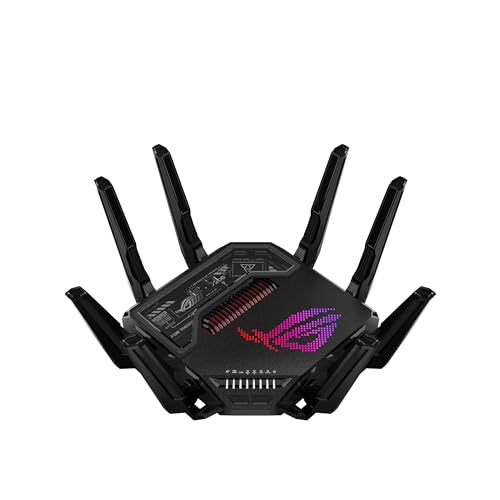
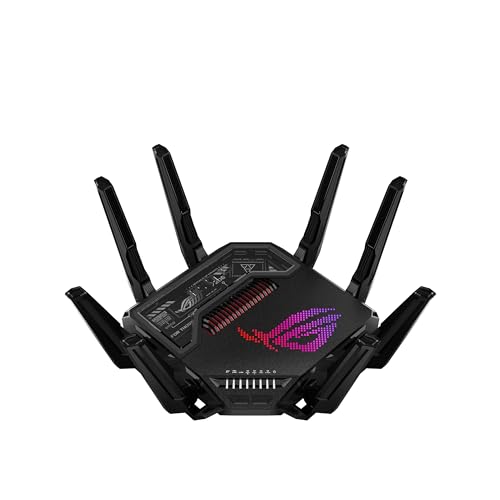
- Point antennas vertically and horizontally: If your router has adjustable external antennas, set one vertically and another horizontally. This helps the signal travel through both floors and walls more effectively.
- Experiment with positions: Walk around your house with a WiFi analyzer app to see if certain antenna angles provide better coverage in weak spots.
4. Change the WiFi Channel
- Select a less crowded channel: Routers can broadcast on several channels. If neighbors use the same channel, interference can weaken your signal. Use your router’s settings or a WiFi analyzer app to find the least crowded channel and switch to it.
- Use the 5 GHz band when possible: If your router is dual-band, connect devices to the 5 GHz band for less interference and faster speeds. The 2.4 GHz band covers longer distances but is more susceptible to congestion.
5. Minimize Physical and Electronic Interference
- Avoid thick walls: Brick, concrete, and metal can block WiFi signals. Try to place the router where the signal path to devices is clear of these barriers.
- Reduce clutter: Keep the area around your router free from large objects and electronics that can absorb or reflect signals.
6. Use WiFi Extenders or Mesh Networks
- Install a WiFi extender: A WiFi range extender repeats your router’s signal to reach areas with weak coverage. Place the extender halfway between your router and the dead zone for best results.
- Upgrade to a mesh network: Mesh WiFi systems use multiple nodes to blanket your house in consistent coverage. They work well in large or multi-story homes, eliminating dead spots with seamless handoffs as you move between rooms.
7. Secure Your WiFi Network
- Set a strong password: Unwanted users can slow your network. Use a complex password and WPA3 or WPA2 encryption to keep your WiFi secure.
- Limit guest access: Set up a separate guest network for visitors, so your main WiFi bandwidth remains stable for your devices.
8. Manage Connected Devices
- Disconnect unused devices: Too many connected devices can reduce available bandwidth. Disconnect gadgets not in use, such as old phones, tablets, or smart home products.
- Prioritize important devices: Some routers offer Quality of Service (QoS) settings. Use QoS to prioritize bandwidth for activities like streaming, gaming, or video calls, ensuring those devices always get the best connection.
9. Replace Outdated Equipment
- Upgrade your router: If your router is more than five years old, it may not support the latest WiFi standards. Newer models offer stronger signals, better range, and faster speeds (look for WiFi 5 or WiFi 6 compatibility).
- Check cables and connections: Damaged Ethernet cables or old splitters can bottleneck your speed. Replace any worn or frayed wiring for optimal performance.
10. Optimize Device Settings
- Update device software: Ensure your computer, smartphone, or tablet has the latest operating system and drivers for network adapters.
- Forget and reconnect: Sometimes, clearing your device’s memory of your network and reconnecting can resolve glitches and improve connectivity.
11. Use Wired Connections When Possible
- Connect high-priority devices via Ethernet: For devices that don’t move (like gaming consoles, desktop PCs, or smart TVs), use Ethernet cables. Wired connections offer faster, more stable speeds and free up wireless bandwidth for mobile devices.
- Add Ethernet adapters: If your device lacks an Ethernet port, use a USB-to-Ethernet adapter for a direct connection.
12. Monitor and Test WiFi Performance
- Use WiFi analyzer apps: Apps like NetSpot, WiFi Analyzer, or inSSIDer help you visualize your network’s coverage and identify weak spots or interference sources.
- Run speed tests: Test your internet speed in different rooms using websites like Speedtest.net. Note where speeds drop and adjust your setup accordingly.
13. Schedule Router Reboots
- Restart regularly: Rebooting your router clears its memory and can resolve performance issues. Some routers allow you to schedule automatic reboots during off-peak hours.
- Unplug and wait: If your router doesn’t have a reboot button, unplug it for 10 seconds, then plug it back in.
14. Reduce Bandwidth-Hogging Applications
- Limit background downloads: Pause or schedule large updates, cloud backups, or downloads for times when you’re not using the network intensively.
- Control streaming quality: Lower the video quality on streaming services to reduce bandwidth use, especially on multiple devices at once.
15. Check for Service Provider Issues
- Contact your ISP: If you’ve tried all these steps and still have issues, your internet service provider may be experiencing outages or your plan may not provide adequate speeds for your household’s needs.
- Upgrade your plan: If your usage outpaces your service, consider switching to a higher-speed plan suitable for multiple devices and heavy activities like streaming or gaming.
16. Use Powerline Adapters for Hard-to-Reach Areas
- Install powerline adapters: These devices use your home’s electrical wiring to carry internet signals. Plug one adapter near your router and connect it via Ethernet, then plug a second adapter in the area with weak WiFi and connect your device.
- Check compatibility: Powerline adapters work best in homes with modern electrical wiring and on the same electrical circuit.
17. Fine-Tune Advanced Router Settings
- Adjust transmit power: Some routers let you increase signal power in their settings. Set it to maximum for broader coverage.
- Enable band steering: With this feature, the router automatically moves devices between 2.4 GHz and 5 GHz bands for the best performance.
- Disable unused features: Turn off features like WPS or remote management if not needed. This can free up resources and enhance security.
18. Maintain Good Router Hygiene
- Dust and clean: Dust buildup can cause routers to overheat, reducing performance. Clean your router’s vents regularly to keep it cool.
- Ensure proper ventilation: Place the router in an open area where air can circulate freely, and avoid stacking objects on top of it.
19. Segment Your Network for Smart Devices
- Use a separate SSID for IoT devices: Smart home devices like cameras, bulbs, and thermostats can flood your network. Assign them to a separate WiFi network to keep your primary devices fast and secure.
- Update smart device firmware: Regularly check for firmware updates for your smart home devices to maintain compatibility and security.
20. Analyze and Address Dead Zones
- Identify dead zones: Walk through your house with a smartphone or laptop and note where the signal drops or speeds are low.
- Deploy targeted solutions: Use extenders, relocate your router, or add mesh nodes to address these problem areas and ensure consistent coverage.
“`
5 SIMPLE Ways to Extend Wi-Fi In Every Room of Your Home – Even OUTSIDE!
Frequently Asked Questions
How can I find the best spot for my WiFi router?
Place your router in a central, open location away from walls, metal objects, and electronic devices. This helps the signal reach all areas of your home more effectively.
Does changing the WiFi channel improve my signal?
Yes, switching to a less crowded WiFi channel can reduce interference from nearby networks and improve your connection speed.
Will adding a WiFi extender help cover dead zones?
A WiFi extender can boost your signal to reach areas with weak or no connection, making it a good solution for large or multi-story homes.
Should I update my router’s firmware for better performance?
Updating your router’s firmware keeps it secure and may improve its speed and reliability by fixing bugs or adding new features.
Can household devices interfere with my WiFi signal?
Yes, devices like microwaves, cordless phones, and baby monitors can interfere with WiFi. Keep your router away from these devices for better performance.
Final Thoughts
To answer the question, “how do I boost my wifi signal in my house,” start by placing your router in a central location, removing physical barriers, and limiting interference from other devices. Use WiFi extenders or mesh systems if needed, and keep your hardware updated. These simple changes help you enjoy a stronger, more reliable connection throughout your home.


Leave a Reply
You must be logged in to post a comment.