
Can Connect to WiFi But No Internet? Troubleshooting Guide
Frustrating, isn’t it? You’re connected to your WiFi network, but you can’t access the internet. Don’t worry, this is a common problem with several potential solutions. This guide will walk you through troubleshooting steps to get you back online quickly.
Understanding the Problem: When you connect to WiFi, your device is simply connecting to your local network. To access the internet, your network needs to be connected to your internet service provider (ISP). The issue could lie anywhere between your device and your ISP’s servers.
Step-by-Step Troubleshooting:
1. Check the Obvious:
- Restart your devices: This sounds simple, but it often fixes temporary glitches. Restart your modem, router, and your device (computer, phone, tablet). Wait at least 30 seconds before powering them back on. This allows the devices to fully reset their connections.
- Check your internet service: Is your internet service actually working? Try connecting another device (if you have one) to your WiFi or using a wired connection to your modem. If nothing works, contact your internet service provider (ISP). They can diagnose problems on their end.
- Check your WiFi signal: Are you too far from your router? Is there interference from other devices or physical obstructions (walls, furniture)? Try moving closer to your router or repositioning it for better signal strength. A weak signal can prevent internet access even if you’re connected to the network.
2. Inspect Your Router and Modem:
- Check the lights: Most routers and modems have indicator lights. Look for lights indicating power, internet connection, and WiFi functionality. If any lights are flashing erratically or are off, this could point to a hardware problem.
- Check your cables: Make sure all cables are securely connected to your modem, router, and wall outlet. Loose or damaged cables can interrupt your internet connection. Consider replacing old cables, especially if they are showing signs of wear and tear.
3. Device-Specific Troubleshooting:
- Forget and reconnect to the WiFi network: On your device, go to your WiFi settings, select your network, and choose “Forget” or “Remove Network”. Then, reconnect to your network by entering your password. This can resolve issues with saved network configurations.
- Check your device’s network settings: Make sure your device’s network settings are correct. There might be an incorrect IP address or DNS server assigned. Often, using automatic settings (“Obtain an IP address automatically” and “Obtain DNS server address automatically”) works best.
- Update your device’s software: Outdated software can sometimes have compatibility issues that prevent internet access. Check for software updates on your device and install them.
4. Advanced Troubleshooting:
- Check your router’s settings: Access your router’s admin panel (usually by typing 192.168.1.1 or 192.168.0.1 into your browser) and check for any errors or unusual settings. You may need to consult your router’s manual for instructions. Be cautious when making changes to your router’s settings. Incorrect configurations can disrupt your entire network.
- Check your firewall or antivirus software: Your firewall or antivirus might be blocking your internet access. Temporarily disable them to see if this solves the problem. If it does, configure your security software to allow internet access to your applications. Remember to re-enable your firewall and antivirus afterwards.
- Run a network diagnostic: Most operating systems have built-in network diagnostic tools. Use these tools to identify potential issues with your network connection.
Common Mistakes to Avoid:
- Ignoring the obvious: Restarting your devices might seem too simple, but it’s often the most effective first step.
- Assuming it’s a hardware problem: Before buying new equipment, thoroughly try the troubleshooting steps above.
- Making unnecessary changes to router settings: Unless you’re confident in your knowledge of network configuration, avoid altering router settings without a clear understanding of the consequences.
If you’ve tried all these steps and still can’t connect to the internet, it’s time to contact your ISP or a qualified technician for further assistance. They have the tools and expertise to diagnose more complex network problems. Remember to remain patient and methodical in your troubleshooting; you’ll get back online soon!
FAQ
Q. My device connects to my Wi-Fi network, but I can’t access the internet. What should I do?
A. This is a common problem. First, check if other devices on the same Wi-Fi network are also experiencing internet connectivity issues. If they are, the problem likely lies with your internet service provider (ISP) or your router/modem. Try restarting your modem and router. If the problem persists, contact your ISP for assistance. If only your device is affected, proceed to the troubleshooting steps below.
Q. I’ve restarted my router and modem, but I still can’t access the internet. What next?
A. After restarting your modem and router, check your device’s network settings. Ensure that you’re connected to the correct Wi-Fi network and that the network name (SSID) and password are entered correctly. Try forgetting the network and reconnecting. Check your device for any software updates that might resolve network connectivity issues. Also, try switching to another network (like your mobile hotspot) to confirm if the issue is device-specific or network-wide.
Q. My device says it’s connected to Wi-Fi, but the signal strength is low. Could that be the problem?
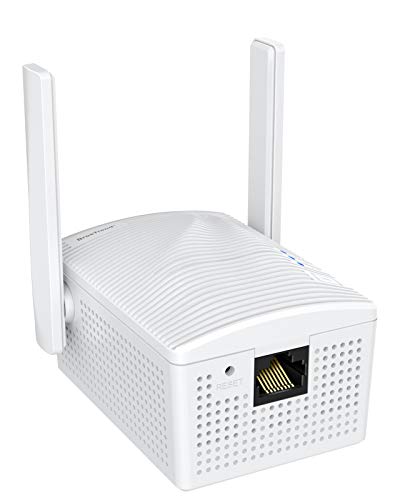
A. A weak Wi-Fi signal can definitely prevent you from accessing the internet. Try moving closer to your router or consider using a Wi-Fi extender to improve the signal strength in areas farther from your router. You can also check if any physical objects (like walls or furniture) might be interfering with the signal.
Q. I’ve tried everything, but my device still won’t connect to the internet. Is there a problem with my device’s network adapter?
A. A faulty network adapter is a possibility. Try connecting your device to the internet using a wired connection (Ethernet cable) if possible. If that works, the problem is almost certainly with your device’s Wi-Fi adapter. You may need to update the driver for your Wi-Fi adapter, or even have it repaired or replaced.
Q. Could a firewall or antivirus software be blocking my internet access?
A. Yes, overly restrictive firewall or antivirus settings can sometimes interfere with internet connectivity. Temporarily disable your firewall or antivirus software to see if that resolves the issue. If it does, adjust your firewall or antivirus settings to allow access to necessary network services. Remember to re-enable your security software afterward.
Q. My internet connection works intermittently. Sometimes I can access the internet, and other times I can’t, even though I’m connected to Wi-Fi.
A. Intermittent connectivity suggests a problem with your internet service or network configuration. Check for any interruptions with your ISP. Look at your router’s logs for error messages. If you suspect a problem with your router, try resetting it to factory settings (as a last resort). Consider upgrading your router to a newer model with better performance if the problem persists. Contact your ISP if you suspect an issue with their service.
Related Articles
How Can I Boost My Spectrum Wifi Signal
How Can I Boost My Spectrum Wifi Signal? A Step-by-Step Guide Recommended Product: Mini Cell Signal Booster for Verizon, AT&T, T-Mobile| Up to 150…
Can You Use A Dstv Dish For Internet
Can You Use Your DStv Dish for Internet? Unlocking the Potential of Your Satellite Dish Recommended Product: Dish Network 1000.2 Dish 110, 119, 129 Sa…
What is the Best WiFi Router for Streaming
Streaming is basically a way of live now, right? Whether you’re glued to a 4K movie marathon, hopping on a video call, or battling it out in an online…


Leave a Reply
You must be logged in to post a comment.